Learn About custom homes
Finding the Best Home Builder: Your Handbook to Dream Homes
Choosing a suitable home contractor is a important step in attaining one's ideal living space. It calls for meticulous consideration and thorough research. A variety of considerations matter, from a builder's experience to their manner of communication. Understanding these components can greatly impact the building experience. As one tackles this complex undertaking, key important factors command attention to ensure a successful conclusion. What should one prioritize to make a informed decision?
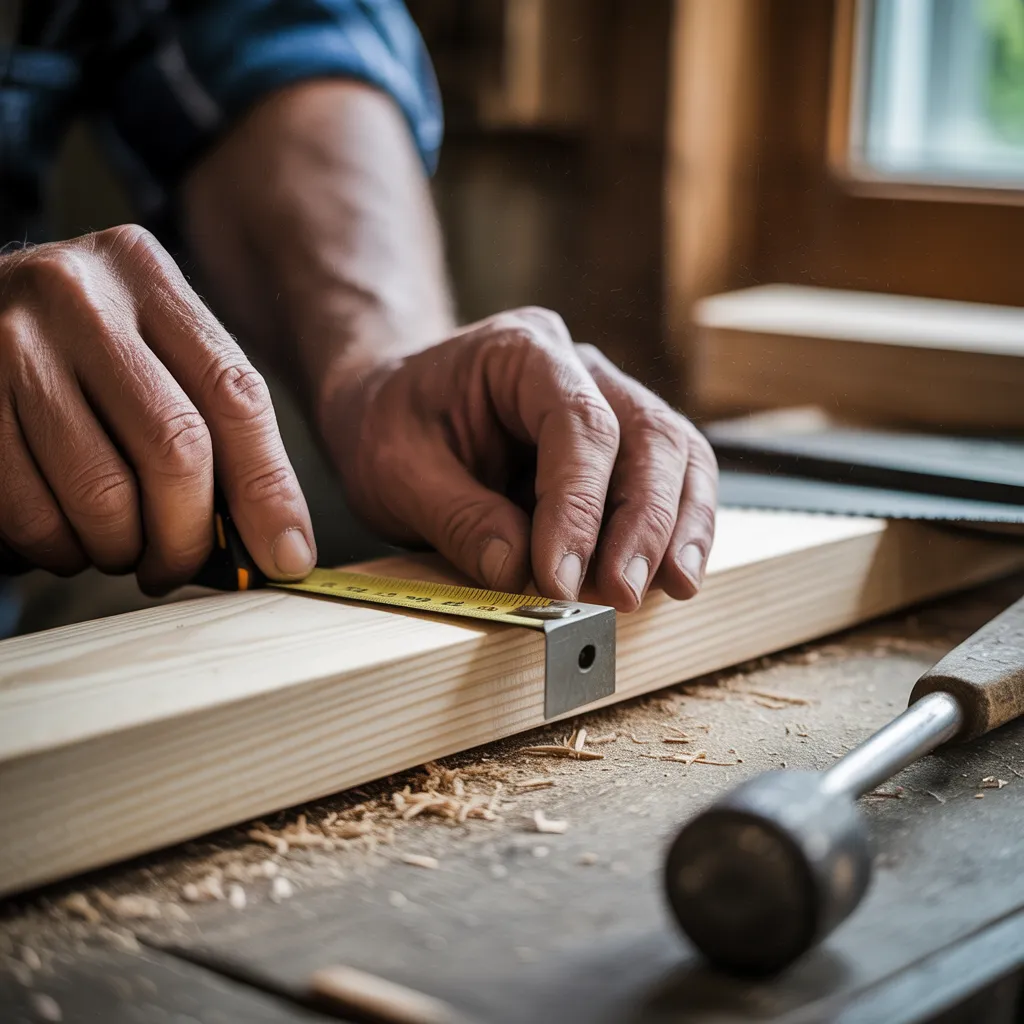
What's the Optimal Way to Start Looking for a Home Builder?
How should one proceed on the adventure to select the suitable home professional? The opening move requires performing in-depth research to recognize qualified contenders. Would-be home buyers must utilize web resources, embracing reviews and client testimonies, to determine the track record of assorted builders. Relationship networking may likewise be helpful; seeking recommendations from friends, family, or real estate professionals typically produces solid possibilities.
Next, people ought to attend local home shows or open houses, offering hands-on knowledge of a builder's work. It is crucial to establish a shortlist of builders who correspond with personal preferences and project requirements.
Once this list is developed, property owners can prepare to reach out for meetings with professionals. During these gatherings, examining previous projects, project schedules, and interaction preferences can demonstrate much about each contractor's approach. This starting point is vital, establishing the foundation for a successful construction journey ahead.
Essential Benchmarks for Analyzing Home Contractors
Reviewing home builders calls for a detailed methodology to guarantee that the chosen candidate achieves defined standards and expectations. Key criteria include track record, credibility, and work standard. A builder's portfolio should illustrate completed projects that embody the desired style and functionality.
References and assessments from former customers provide understanding into reliability and customer contentment. It is also important to evaluate the builder's ability to communicate and promptness, as these characteristics can notably affect the entire process.
In addition, understanding the contractor's coverage policies and compliance with local building codes is paramount for long-term peace of mind. Financial stability should not be ignored; a reputable builder will have solid financial backing, permitting them to complete projects on time and within budget. By focusing on these criteria, potential homeowners can make informed decisions when choosing the right builder for their dream home.
Examining Personalization Options in Home Design
What elements affect the personalization choices offered in home design? Multiple considerations contribute importantly, such as the builder’s experience, the materials used in construction, and the local building regulations. Experienced builders typically provide a expanded variety of customization options due to their connections with suppliers and subcontractors. Also, the kind of home—whether a single-family home or a multi-family unit—can affect the degree of customization offered.
Homebuyers should also consider the schedule for construction, as more elaborate designs might prolong the building process. Geographic location can influence available styles and materials, since particular designs may be more functional or advantageous in certain regions. Lastly, budget constraints can limit choices, because more detailed features and high-quality materials typically come at a premium. Understanding these factors helps buyers make informed decisions when exploring customization options.
Grasping Price Arrangements
Understanding cost frameworks is essential for home purchasers navigating the complexities of the construction process. Different builders employ various pricing models, which can greatly impact total expenses. Fixed pricing offers predictability, enabling clients to know the final price upfront, while cost-plus model entails covering the real building expenses combined with a fixed charge, introducing potential for fluctuations.
Some builders additionally display a hybrid approach, blending aspects of both systems. Homebuyers should also consider included features and upgrades, as these can considerably determine the end cost. Detailed invoices provide visibility, helping buyers grasp where funds are assigned.
It is critical for purchasers to analyze payment plans and potential concealed expenses, such as permits or site preparation. By thoroughly grasping these structures, home buyers can make informed decisions, ensuring they pick a builder whose pricing aligns with their budget and expectations.
Why Clear Dialogue Counts When Choosing a Builder?
Clear communication is essential when selecting a home builder, as it fosters belief between the client and the builder. By ensuring that expectations and project details are minutely discussed, parties can sidestep pricey errors. Ultimately, transparency in communication lays the groundwork for a successful building experience.
Developing Trust With Clarity
How can future home buyers ensure their aspirations match their builder's strengths? Establishing trust through clarity is vital in this partnership. Direct communication promotes mutual understanding, confirming that both sides understand the same construction requirements, schedules, and architectural specifications. Homeowners should communicate their wishes while actively hearing the builder's opinions and guidance. Frequent updates and transparent conversation during the construction period further strengthen this trust, allowing for modifications as necessary. Candor in sharing project issues and resolutions also improves this connection, rendering it simpler to address possible difficulties as a team. Ultimately, clarity in communication not only aligns visions but also creates a solid base for a thriving collaboration, resulting in the realization of the property owner's ideal residence.
Evading Hefty Miscommunications
What happens when assumptions differ between homeowners and builders? Miscommunications can lead to pricey delays, budget overruns, and dissatisfaction. Open communication is essential to align expectations and guarantee that both parties are on the same page. Homeowners should articulate their needs, choices, and budget constraints from the outset. Builders, in turn, must provide transparent timelines, costs, and scope of work. Regular updates and open dialogue foster trust and allow for adjustments as needed. Documenting agreements in writing helps to avoid future disputes. By prioritizing clarity, both homeowners and full information builders can mitigate risks, leading to a smoother construction process and a more satisfying end result. Ultimately, effective communication is the foundation of a successful building experience.
Assessing Credentials and Ratings: Leading Practices
Choosing a home builder requires examining references and feedback for informed choices. Reviewing input from former customers offers understanding on the contractor's trustworthiness and caliber of work. Grasping both individual testimonials and online evaluations can substantially affect the builder's standing.
Relevance Of Sources
Although numerous elements influence the decision of a home builder, the importance of verifying references and reviews cannot be exaggerated. References offer direct testimonies of a builder's reliability, quality of work, and expertise. Speaking directly with former homeowners allows future homeowners to gain knowledge into the builder's way of communicating and capability to deliver promptly. Additionally, reviews can reveal patterns in the builder's work, whether advantageous or disadvantageous. This data is vital for determining the right choice, as it can uncover issues or confirm confidence
Reviewing Online User Responses
How can aspective homeowners proficiently handle the vast landscape of online feedback when reviewing a home developer? First, they should seek reviews on credible platforms, such as Google, Yelp, and particular construction forums. It is important to identify differences between genuine reviews and potentially biased ones, detecting patterns in feedback rather than isolated comments. Homeowners should pay attention to both positive and negative remarks, focusing on recurring strengths or weaknesses highlighted by multiple reviewers. Additionally, they can assess the builder's response to criticisms, which may reveal their commitment to customer service. Finally, getting in touch with past clients directly can provide deeper insights, ensuring that the builder fits with the homeowner's standards and needs.
Regularly Asked Questions
Which Licenses and Qualifications Does a Home Builder Need?
A home builder should have a valid construction license, professional liability coverage, and appropriate credentials such as OSHA training or green building credentials. These qualifications guarantee compliance with safety standards and industry regulations, improving trust and professional credibility.
What Duration Should You Expect for the Home Building Process?
The residential construction process generally takes anywhere from six months to more than a year, depending on factors like complexity of the project, weather conditions, and permitting delays. Each phase demands meticulous preparation to guarantee timely completion and high-quality outcomes.
May I Inspect Former Projects Completed by the Developer?
Yes, prospective customers can often inspect past work finished by the contractor. This permits them to evaluate craftsmanship and quality of design, assisting to guide their decision-making process and ensure satisfaction with their new property.
What Guarantees Do Construction Companies Typically Provide on New Homes?
Builders typically offer warranties protecting structural soundness for ten years, primary installations like plumbing and electrical for five years, and workmanship for one year. These guarantees deliver homeowners with protection against defects and required maintenance.
How Do I Verify My Builder Keeps the Schedule?
To guarantee a builder remains on schedule, one should establish clear timelines, keep ongoing communication, and conduct milestone check-ins. Monitoring progress and tackling delays quickly can also help keep the project on track.